The same process from "How I work" — click a stage to see it run, client after client.
Many missions, one path — the ×N from my diagram, in practice.
01 · UnderstandEvery client arrived asking for a deliverable. My job was to find the need underneath.
The order at the edge, the need at the centre.
At Milamex I was the person in the room when a new organisation came in. I worked like
a live project planner: mapping what was said as it was said, connecting the threads,
and returning not with a sales pitch but with solutions and next steps.
A typical example: an artisan-craft project asked for "a website". Sitting with them,
the real blockers surfaced — their shipping logistics and their product photography.
The website alone would have sold nothing. We solved the need, not the order.
02 · DecideThe fundraising film that changed direction mid-project — and raised more because of it.
Loyal to the need, not the deliverable.
For one nonprofit's fundraising campaign I conceived and shot a commercial on a
full-frame DSLR — cinema-grade image, a concrete story of what the organisation does.
Mid-project, the client's stakeholders pushed the piece in a different direction:
they wanted animation. I had a finished cut I believed in, and a client relationship
worth more than my cut.
The key call
"A project's loyalty is to the need, not to the original deliverable. We re-scoped,
and in two days I delivered a new approach in motion graphics."
The motion-graphics film helped them raise significant funds. It reached ~15,000
views — their current videos average between 40 and 300 — and years later, their
content still borrows its style.
The deliverable changed with each mission: full brand identities, websites, explainer
videos, a complete video series for an online course, event photography and
multi-camera direction as a freelancer in parallel. What never changed was the path
each project travelled to get there.
04 · Make it stickClients left with strategy and next steps — not just files.
Engagements closed with a plan, not a folder.
Every engagement closed with a plan the organisation could execute, not a folder of
assets. Inside the office I was also the de-facto technical layer — fixing the
network, rigging projectors for live events, setting up a podcast studio — and walking anyone
through it, patiently. A technology only counts when its people can run it.
→ ResultOutput ×N — four years of it.
One number that aged well.
This is what the ×N in my diagram looks like in practice: one repeatable process,
many organisations served, deliverables across every medium I touched. A selection:
From the archive
The project in context
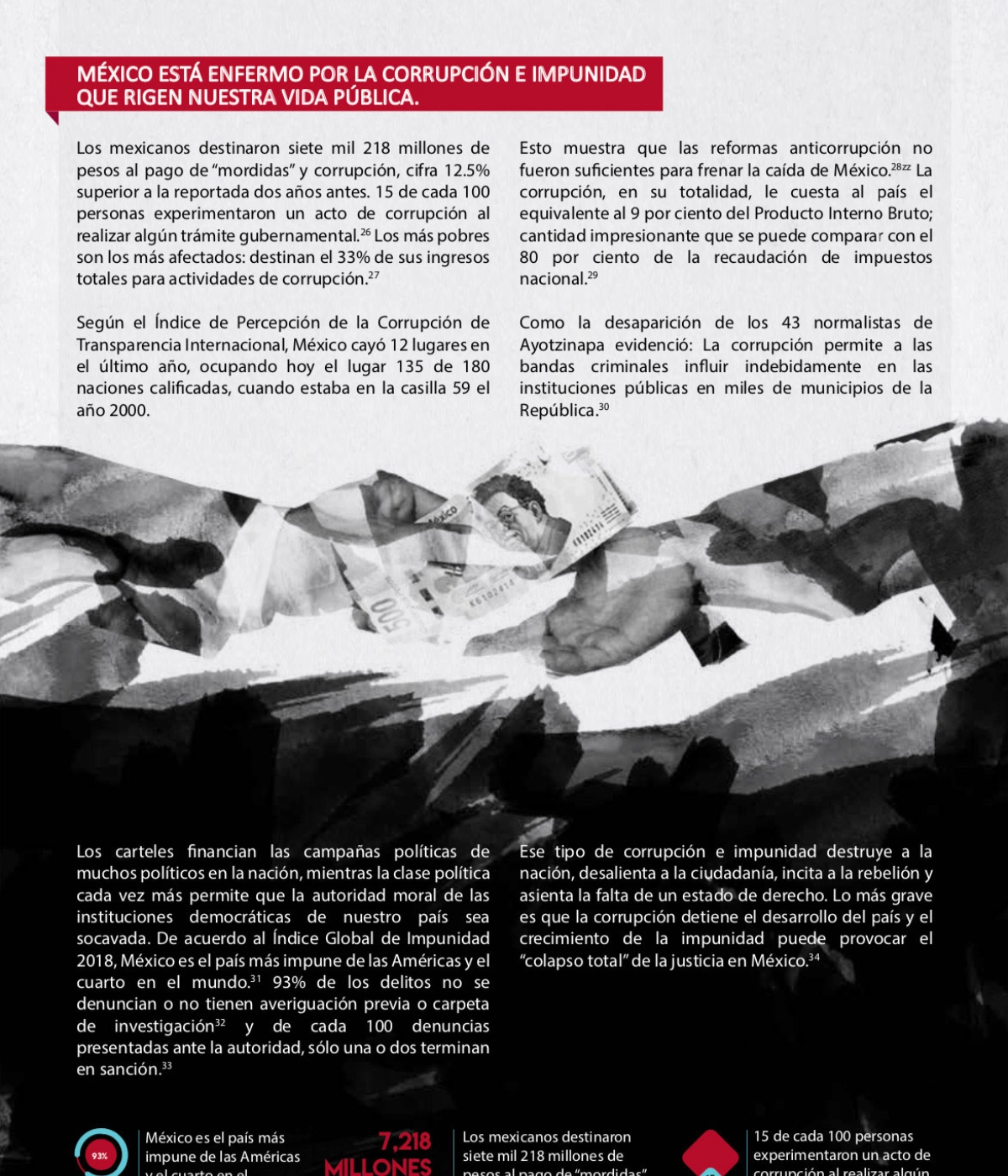
Output ×N: brands, posters, film frames and photographs from four years of the same process.
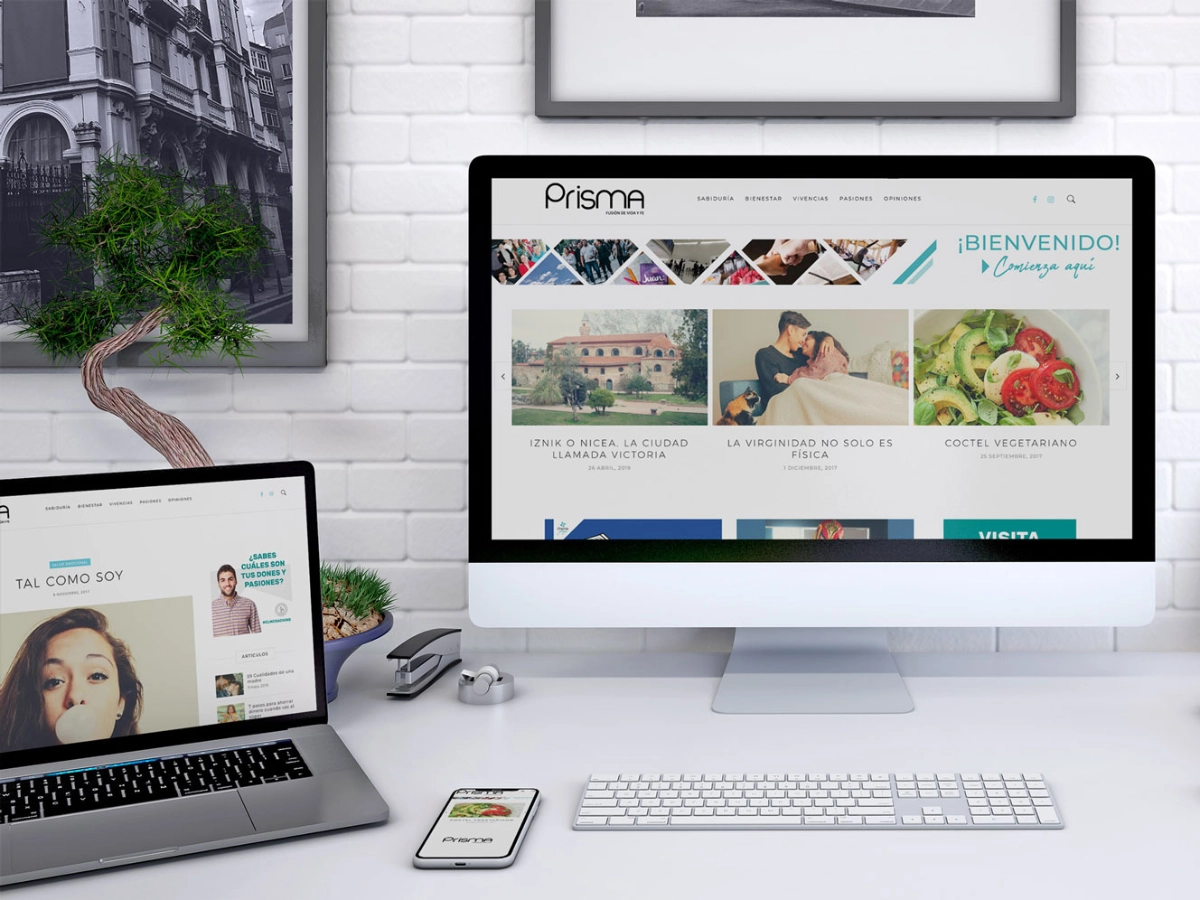
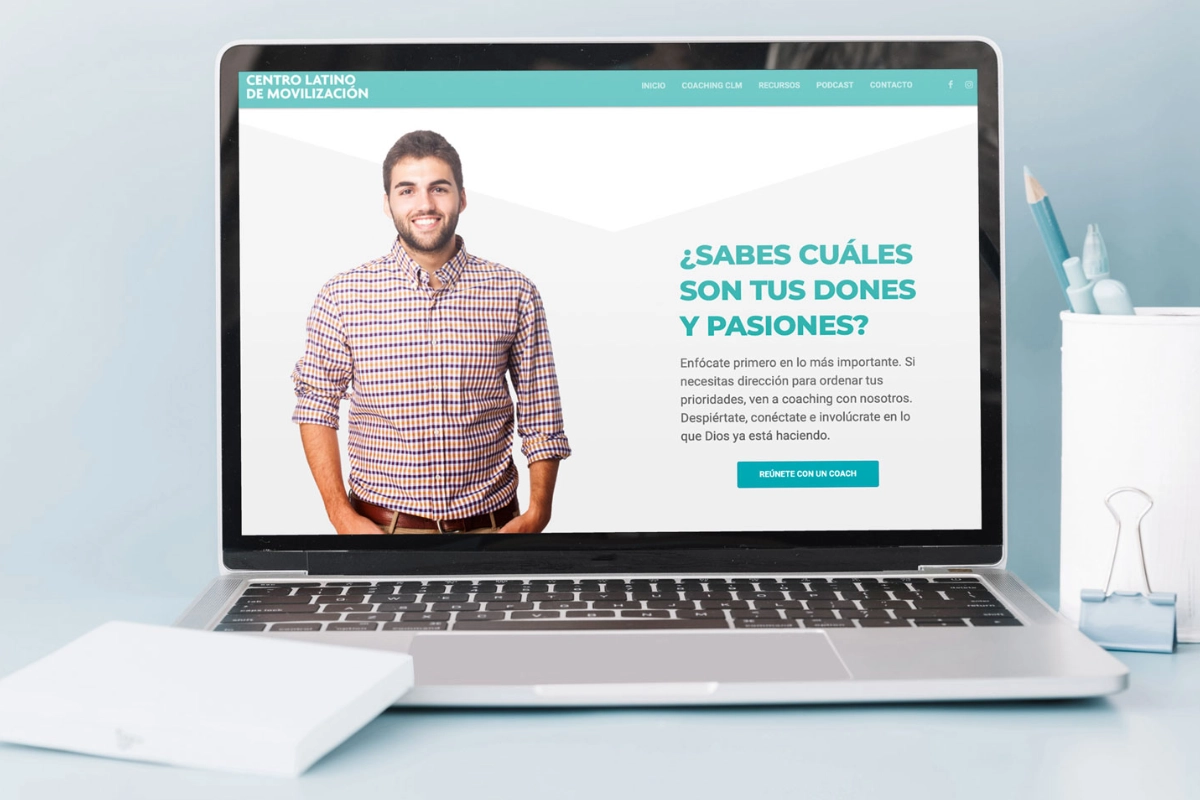
YTFundación Providencia — the film that changed direction mid-project, and landed.01Prisma — a printed archive, reborn as blog and historical record.02Planning tables — brand, audience, visuals and marketing, together.03Connecting volunteers with organisations — web, social and video.04Conexión Mosaico — brand, explainers and annual reports.05Prisma's companion app, built during the digitisation.