A communication platform for a global alliance — shaped by comparing experiences, not assumptions.
RolePlatform design, build, training & data
ClientWycliffe Global Alliance (Americas)
Year2019–2021
StackWordPress · BuddyPress · LMS & forum plugins · Zoom
The same process from "How I work" — click a stage to see it in action.
The whole project at a glance — a direction the team refined together.
01 · UnderstandEveryone wanted "a platform" — and everyone meant something different.
Three answers in the room — one need underneath.
An alliance of mission organisations across the Spanish-speaking world needed a digital
home. But in the requirement meetings, some pictured a social network, others a
continuous-learning module, others discussion forums. I travelled to El Salvador to sit
with the team and listen — my job in those rooms was to map what was being said and
connect it live, then return not with a sales pitch but with solutions and next steps.
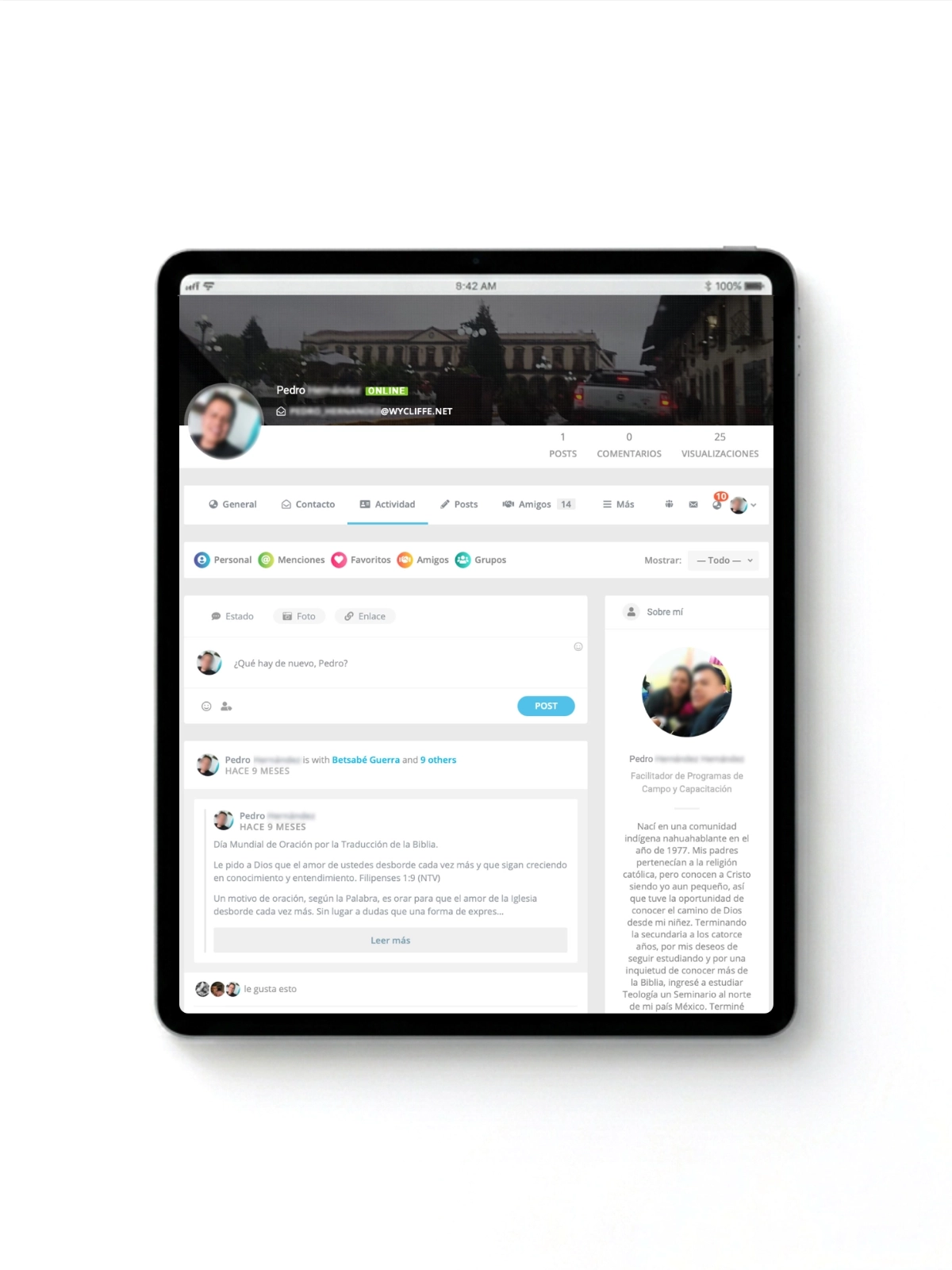
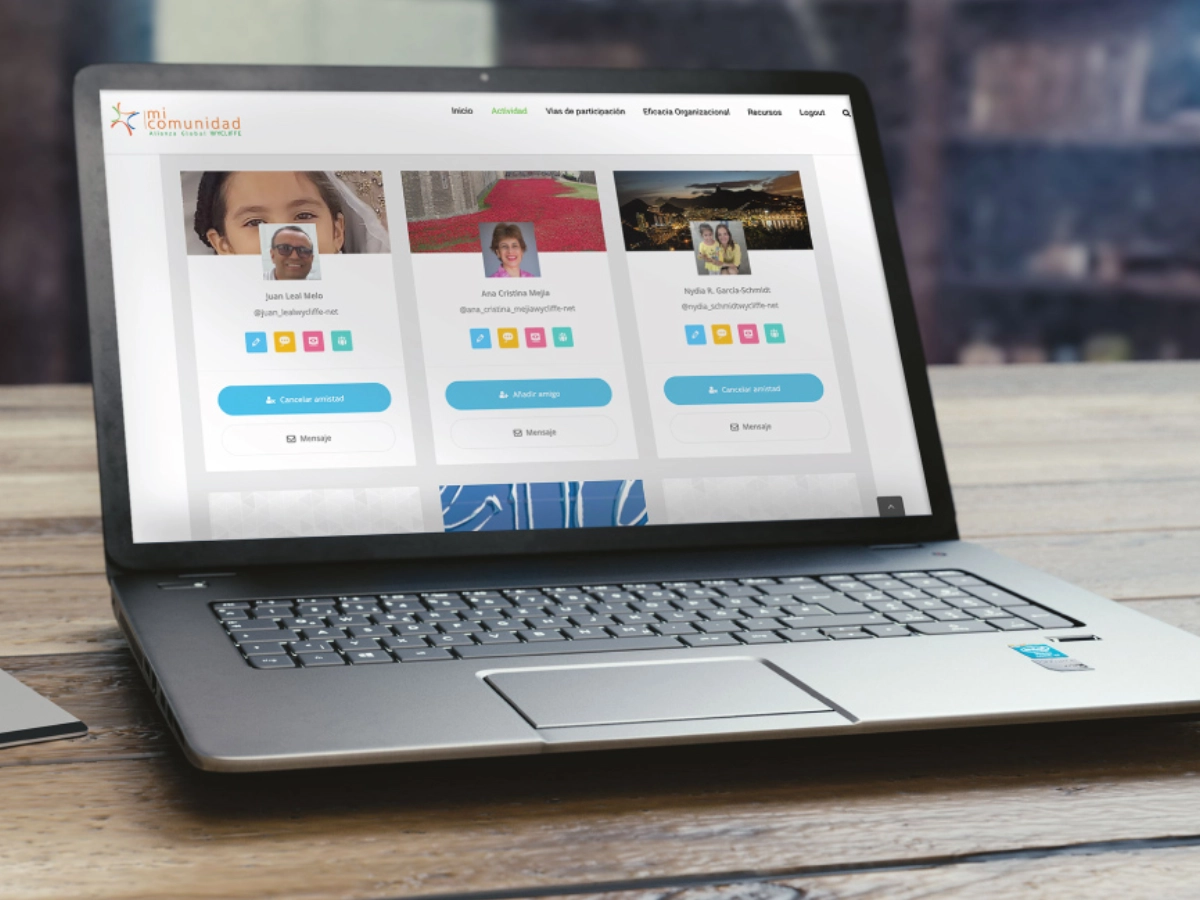
The real answer was: all of it. Member profiles like an internal social network, a
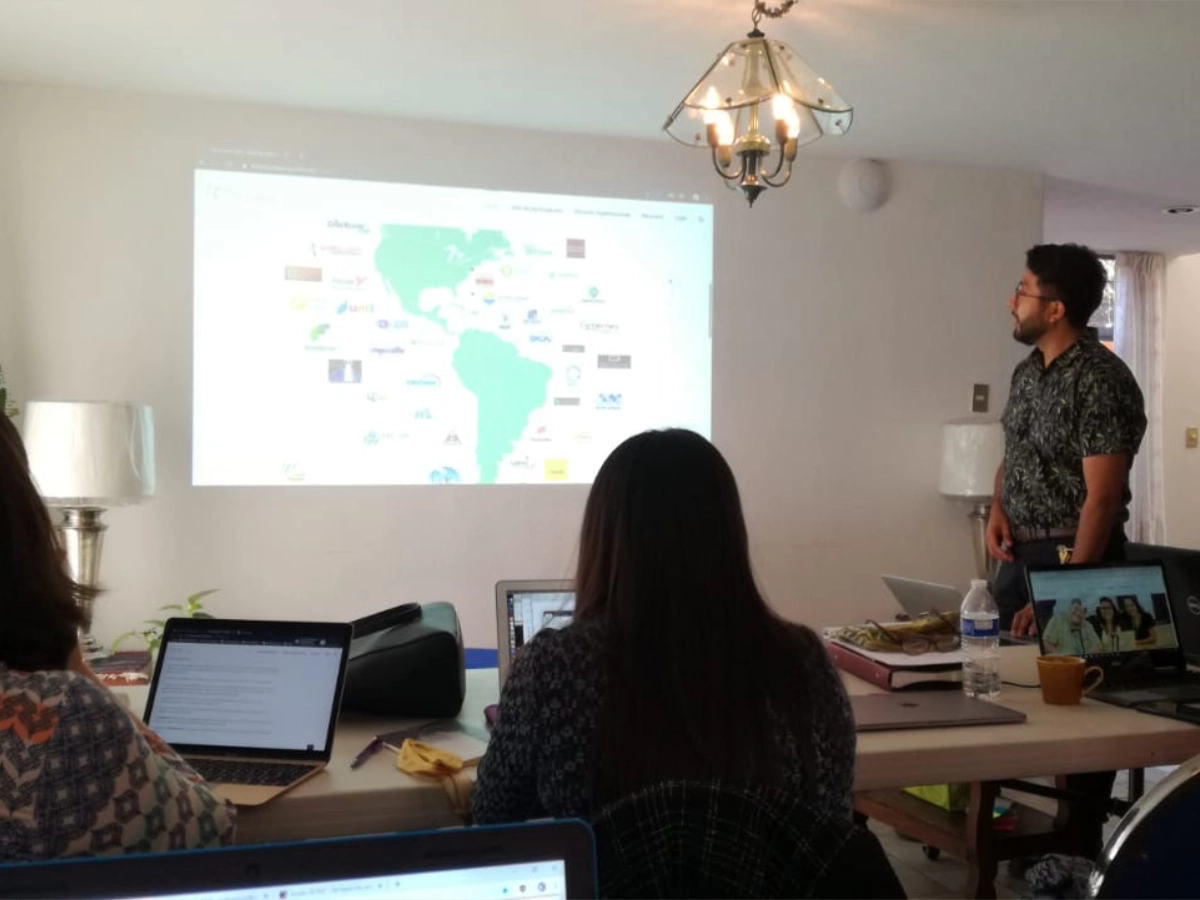
directory of every organisation in the alliance, essential courses, and forums —
connected, and comfortable for people with very different levels of familiarity
with digital tools.
02 · DecideMoodle had history in the organisation — and the need had grown beyond it.
Two directions, made comparable.
There were good reasons to consider Moodle: the alliance had invested in a
Moodle-based platform before, and the training partner in El Salvador had helped
implement it. I spent May to September learning it properly. What that time made
clear was not that Moodle was wrong, but that the situation had changed: adoption
of the earlier platform had been limited, and the challenge was no longer only
learning — community, visibility and interaction had become equally important.
Moodle addressed one part of the problem; the broader need pointed toward a
community-first model, which I could prototype on WordPress with BuddyPress,
course and forum modules.
The key call
"Instead of comparing assumptions, give the team something to experience.
I built a working prototype so the comparison could be concrete."
An in-person meeting was coming in December. October and November went into
building the community-first model — not to win an argument, but so that the
discussion there could be about something everyone had actually used.
03 · BuildTwo months, one integrated prototype — ready to experience on December 8.
Modules integrated until they behaved like one product.
October and November were systematic trial and error: which module combination held,
which one interfered with another. I didn't write the platform from scratch —
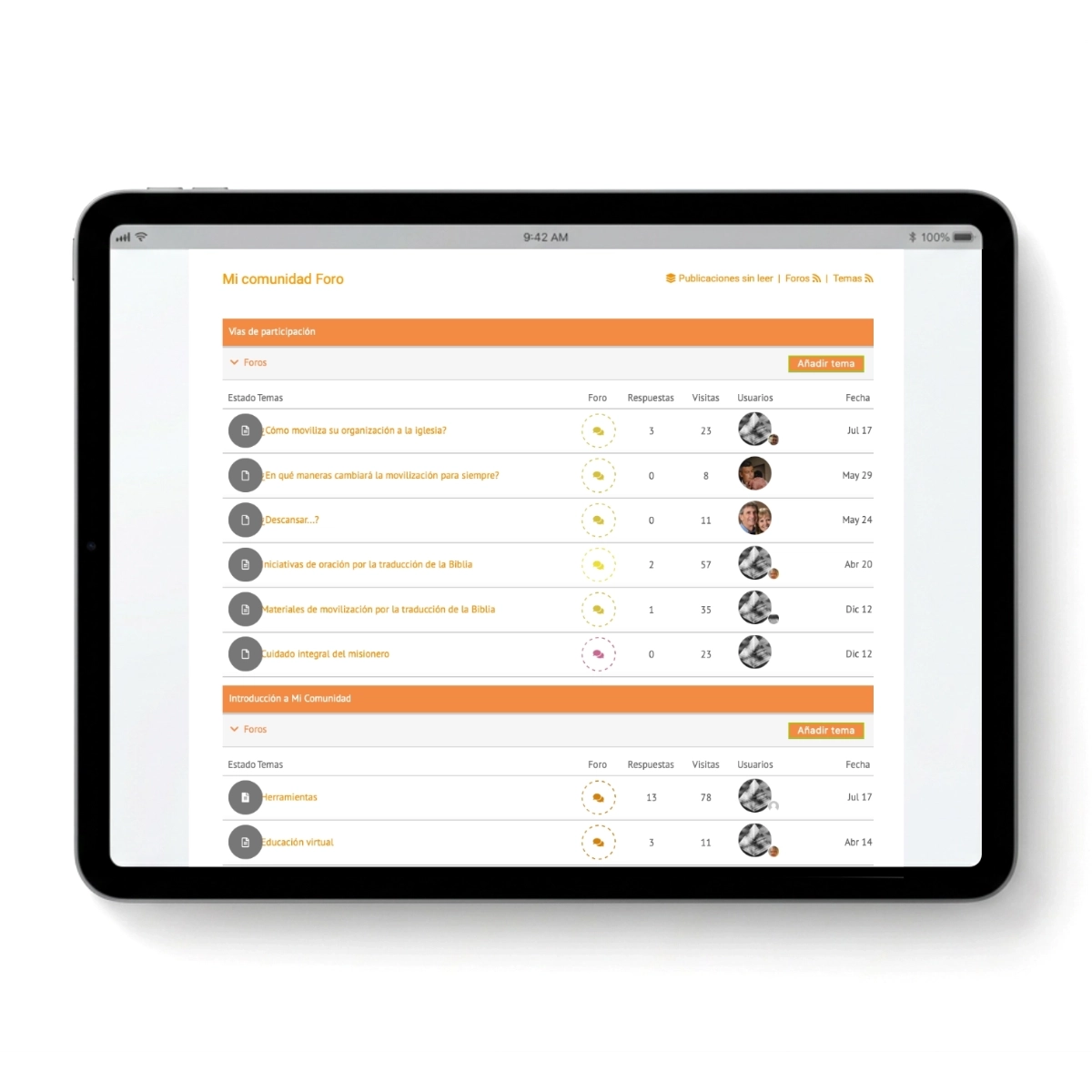
I architected and integrated it until everything was connected: forum activity
reflected on member profiles, completed courses visible as activity, every
organisation discoverable in the directory.
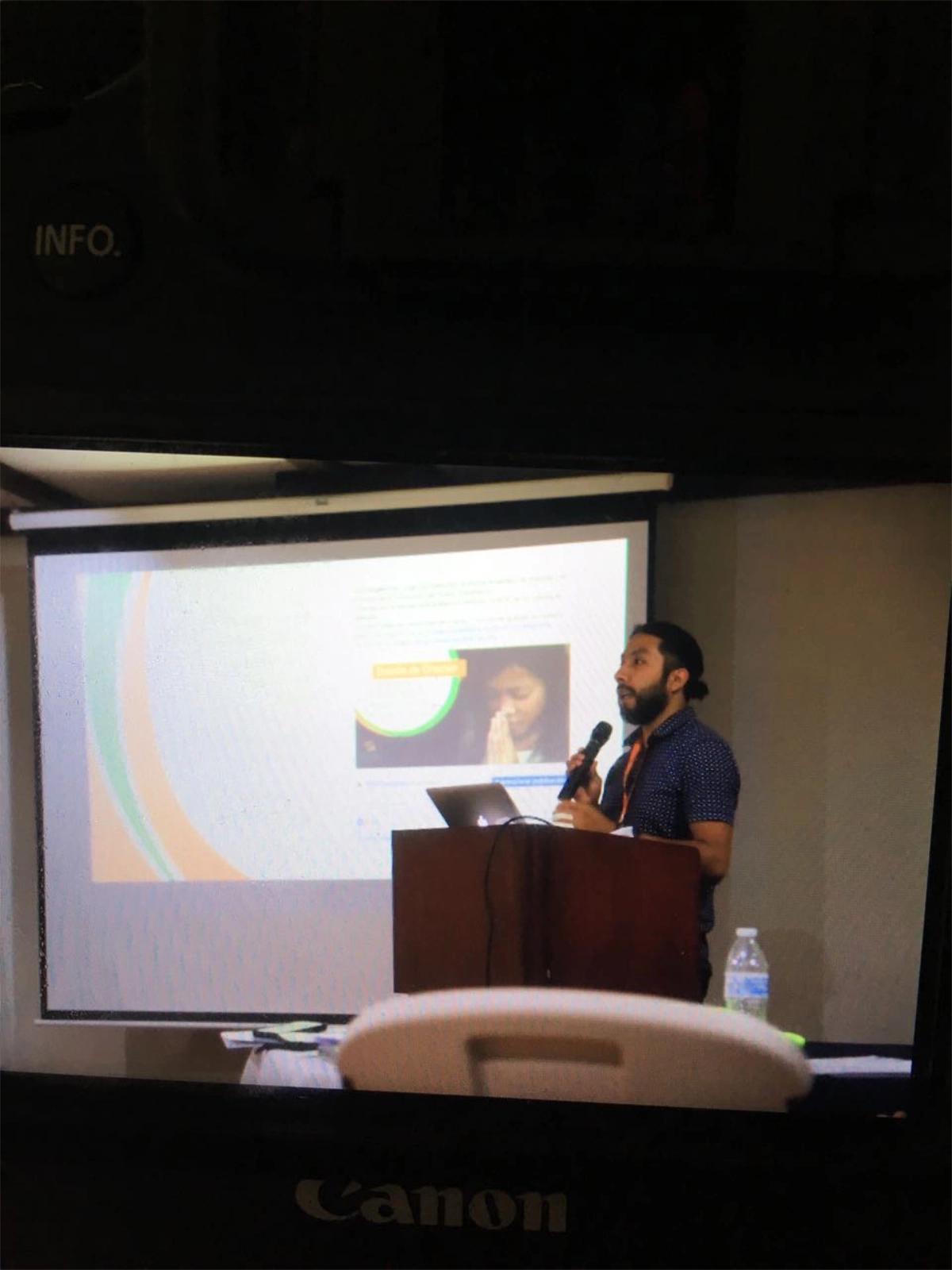
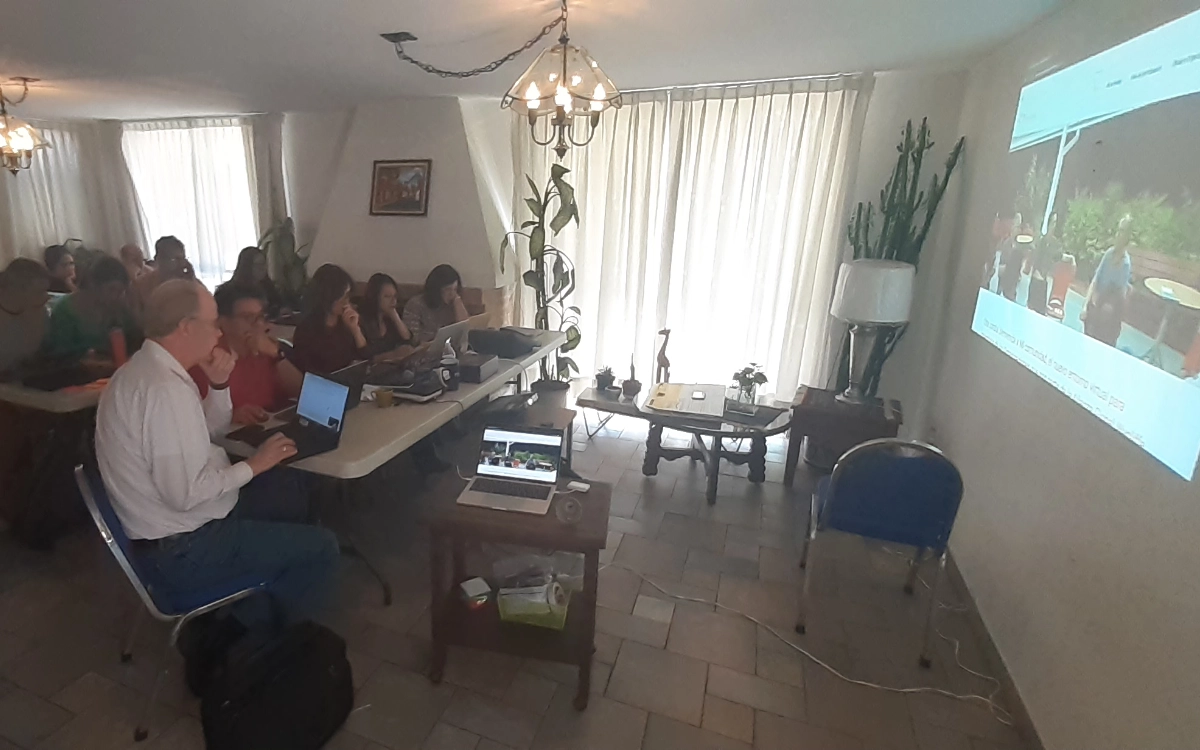
On December 8, at the in-person meeting in Mexico City, the team could finally
compare experiences instead of assumptions. The discussion improved once everyone
had both options in hand; their observations shaped the final version, and the
platform launched in March 2020.
04 · Make it stickLaunched weeks before lockdown — then I made sure people could actually use it.
Adoption was the job: trainings, access, documentation.
March 2020: the platform went live just as COVID restrictions began — for an
organisation built on in-person gatherings, it and Zoom became the main channel
overnight. I trained participants with very different levels of familiarity with
digital tools, in Spanish and in English, and ran the technical side of the
meetings: permissions, registration forms, access management.
I also turned attendance and survey data into visual reports — not "how many came",
but the patterns between the lines: cross-referencing ages and answers to show
leadership what the numbers meant. When the project's funding ended, I closed it
properly: full manuals and tutorials so the platform could run without me.
→ Result100+ registered users on three continents — the alliance's main channel through COVID.
What it carried — and how it ended, honestly.
The platform served over 100 registered users — 60 to 70 active every month — across
the Spanish-speaking world, and carried the alliance's communication through the
pandemic. When in-person activities resumed, the organisation returned to its
preferred way of meeting and eventually retired the platform — an honest ending that
taught me something I've kept ever since: systems exist to serve a mission, never the
other way around.
From the archive
The project in context
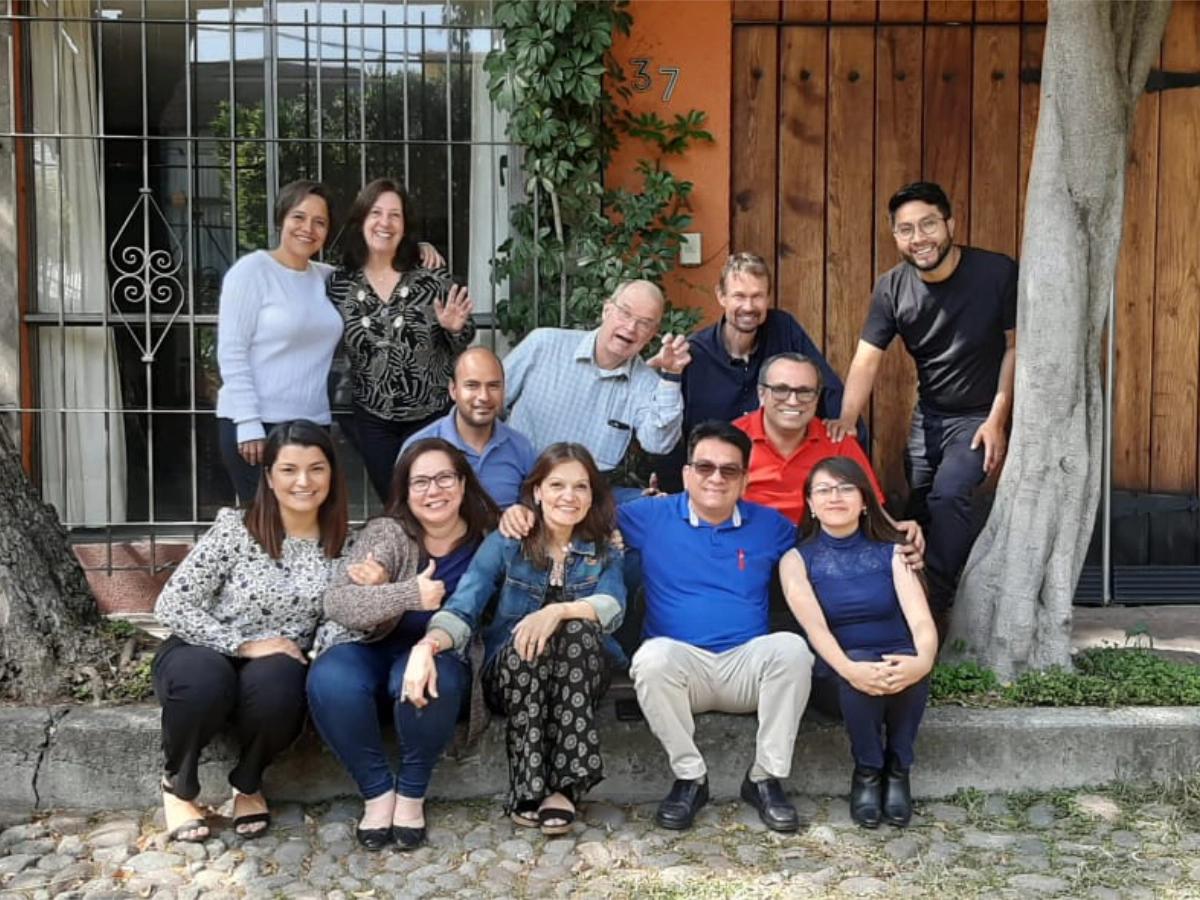
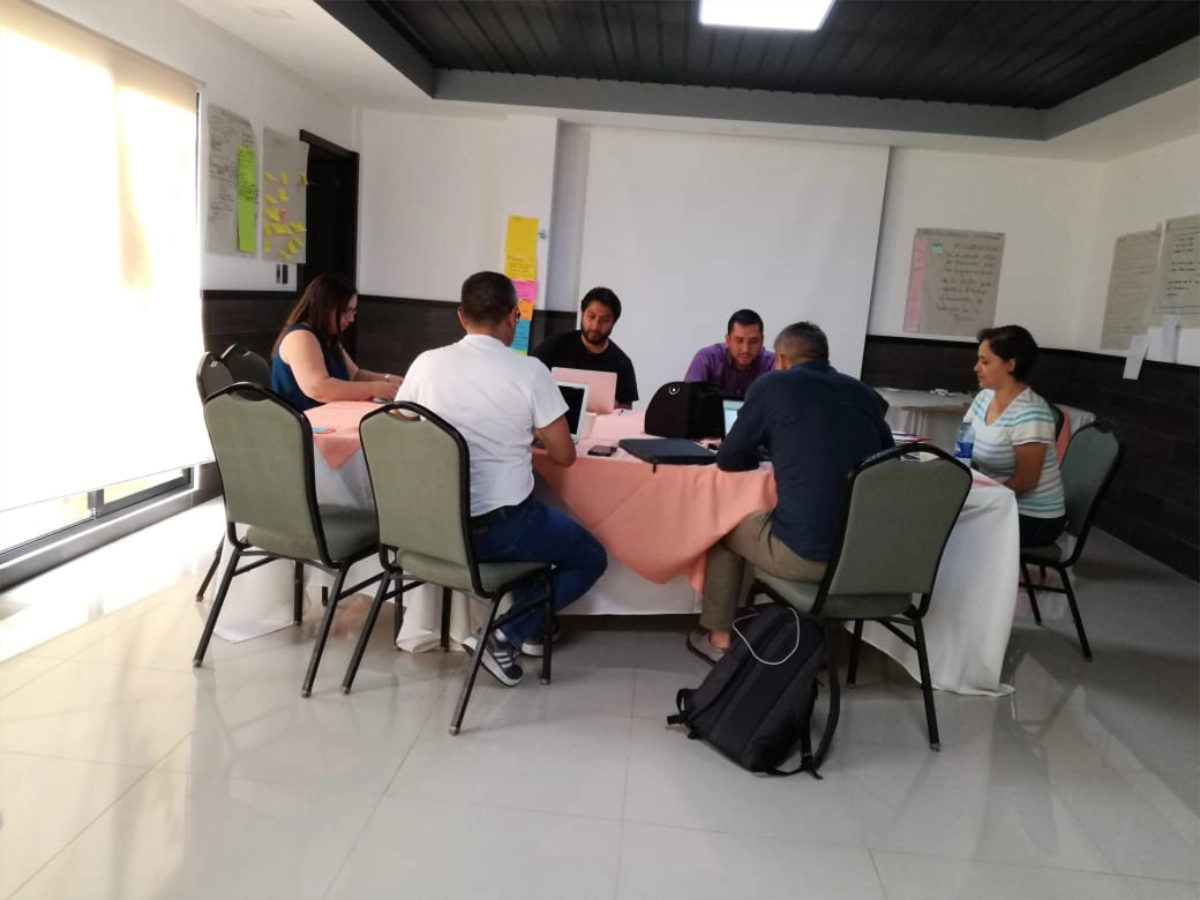
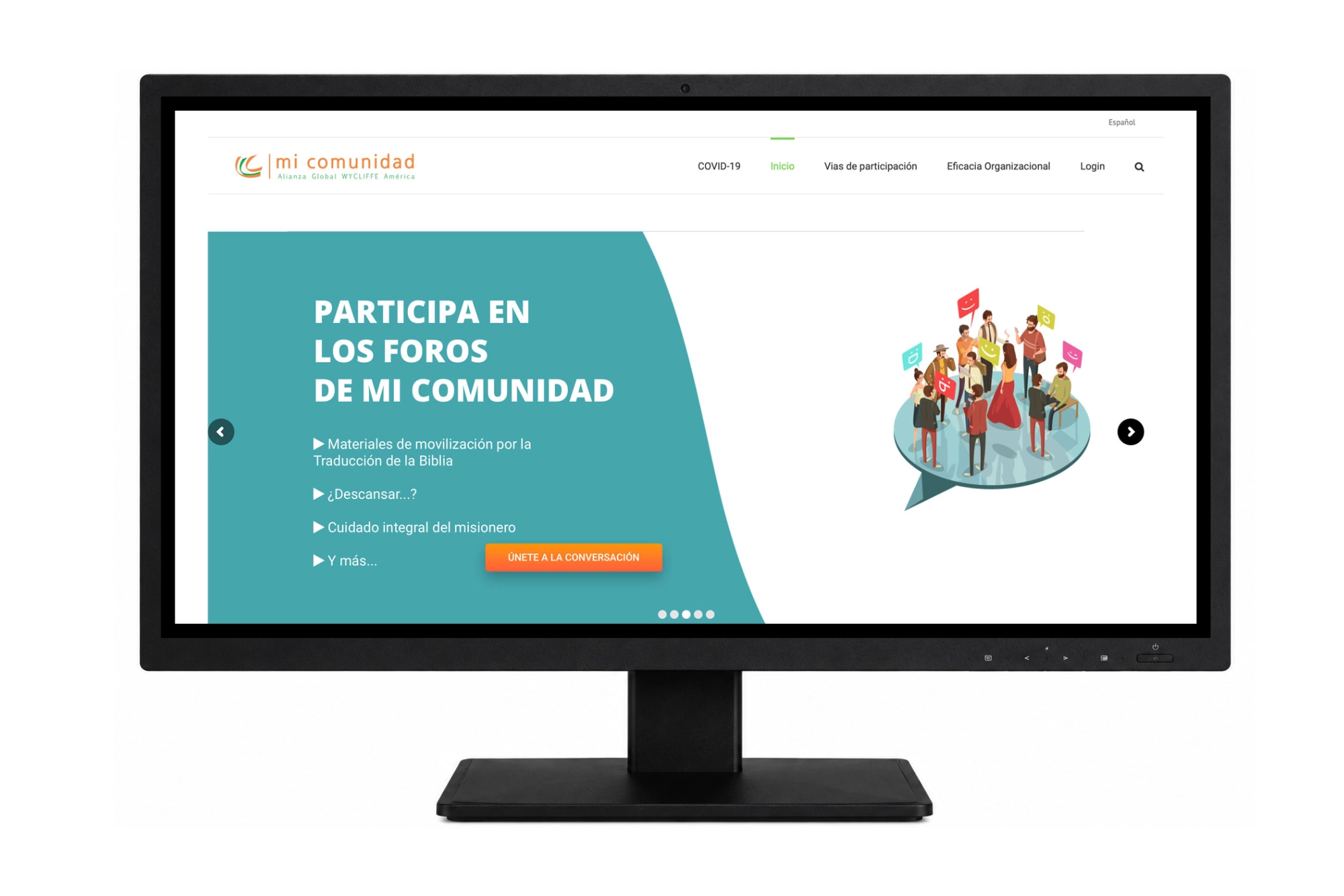
The diagrams focus on the decisions. These images show the environment around them — captions tell you where each one sits in the story.
V1The platform, working — a short tour.V2Moving through profiles, forums and courses.01A profile — and the conversations it was built for.02Mobile-friendly, in Spanish, English and Portuguese.03Zone leaders announcing events, online and in person.04Forums wired into profiles — see a thread, join the conversation.05December 8 — the first version, presented for feedback.06Leaders from several countries, trying it — their needs drove the decisions.07Every participating organisation, on one map.08Built to run on any machine with a connection.09The Mi Comunidad team with regional leaders.10Where it started — planning, April 2019.11COVID months — forums of encouragement, trust and communication.